


Cheapest Way to Heat a Workshop: Cost-Effective Solutions for Every Space
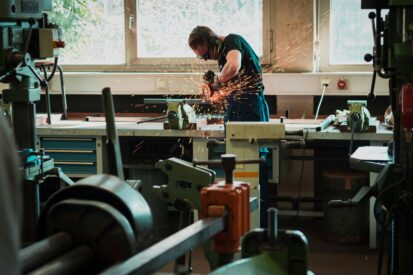
Whether you’re fixing cars, building furniture, or tinkering with weekend projects, a cold workshop can drain both your energy and your wallet.
Keeping your workshop warm isn’t just about comfort. It affects;
- How efficiently you work,
- How well your tools perform, and even
- How safely materials handle temperature changes.
But heating a workshop can get expensive fast if you’re not using the right system. The good news? With a bit of planning and the right choice of heater, you can keep your space warm without racking up huge bills.
In this guide, we’ll look at the cheapest ways to heat a workshop. We’ll compare running costs and explain why more and more people are switching to infrared heating for efficient, affordable warmth.
Understanding Workshop Heating Efficiency
Before choosing a workshop heater, it helps to understand what makes one system cheaper to run than another. Efficiency is the balance between energy input and usable heat output. The better your heater converts electricity or fuel into warmth, the less it costs you.
Key factors that influence efficiency
Several factors determine how effectively your workshop retains and distributes heat. Understanding them helps you choose the most economical heating solution for your space.
- Workshop size and insulation: Smaller or well-insulated spaces hold heat better.
- Usage frequency: Occasional users can prioritise fast warm-up heaters; daily users need consistent efficiency.
- Energy prices: Electricity and gas costs vary regionally, so always compare tariffs.
- Type of heat: Radiant (infrared) warmth heats objects and people directly. Convection (fan or oil heaters) warms the air which quickly escapes through gaps.
In open or poorly insulated workshops, traditional convection heaters lose heat rapidly. This means you pay to heat air that disappears.
Infrared systems heat surfaces, tools, and people directly. This provides steady warmth that doesn’t drift away.
Cheapest Ways to Heat a Workshop (Ranked by Cost-Effectiveness)
When it comes to heating your workshop, not all systems deliver the same balance of comfort, control, and running costs. Below, we’ve ranked the most common options from the most cost-effective to the least.
Infrared Heaters
Infrared heaters are one of the most cost-effective solutions for workshops because they heat objects, not air. This makes them ideal for draughty or open spaces where conventional heat would vanish.
They produce almost instant warmth, don’t rely on airflow, and can be wall- or ceiling-mounted to save space. There’s no noise, no fumes, and minimal maintenance, just clean, radiant heat where you need it.
In most UK workshops, infrared panels cost around 30–50% less to run than fan or oil heaters. Over a cold season, that adds up to serious savings.
Perfect for: mechanics’ garages, hobby workshops, small industrial spaces.
Electric Fan Heaters
Fan heaters are cheap upfront and great for quick bursts of heat. They work by blowing air across a heating element which makes them good for small, enclosed areas you only use occasionally.
The downside? They’re inefficient for long-term heating. Once switched off, the air cools almost immediately, and you’ll feel the chill again.
Perfect for: occasional use in small, well-insulated workshops.
Diesel and Kerosene Space Heaters
For large or semi-outdoor workshops, diesel and kerosene blowers deliver rapid heat output. They’re powerful, portable, and relatively cheap to run per hour.
However, they need ventilation, produce emissions, and need regular maintenance. Fuel costs fluctuate, and they’re noisy, so they suit large-scale projects more than quiet, personal workshops.
Perfect for: large, ventilated workshops or industrial use.
Propane Heaters
Propane heaters warm up fast and are inexpensive to buy. They’re a favourite for temporary or outdoor setups where you need quick, strong heat.
But they also need proper ventilation and can add moisture to the air. Something to watch for if you’re working with tools or materials sensitive to humidity.
Perfect for: temporary or uninsulated spaces.
Wood-Burning Stoves
If you have a steady supply of free or cheap wood, a small stove can be very economical. It provides a comforting heat and can double as a focal point.
That said, installation costs, ventilation needs, and insurance considerations make this less practical for many.
Perfect for: rural workshops with access to wood and good ventilation.
How to Maximise Heat Efficiency in Your Workshop
No matter what heating method you choose, efficiency starts with reducing heat loss.
- Insulate walls, doors, and ceilings. Even basic insulation rolls can significantly reduce heat loss.
- Seal draughts around doors and windows with weatherstripping.
- Zone your workspace: only heat the areas you actually use.
- Timers and thermostats prevent wasted energy by running the heater only when needed.
- Keep heaters clean and unblocked to ensure optimal performance. A well-sealed, heated space can cut energy bills by up to 40% without sacrificing comfort.
Choosing the Best Heater for Your Workshop Type
Every workshop is different. Size, insulation, and how often you use it all play a part in which heating system will give you the best value for money. Here’s how to match the right heater to your specific setup.
Small Home Workshop or Garage
For small, enclosed spaces, choose wall-mounted or portable infrared panels. They provide instant heat without drying the air or creating noise, perfect for woodworking, crafting, or tool work.

1100 Watt Eco With In-Built Controller
£261.62
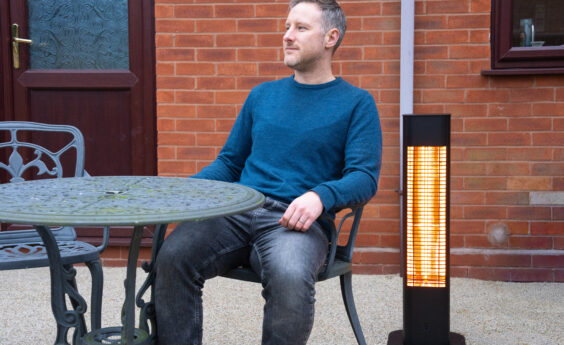
2000 Watt Vesta Mid Infrared Freestanding Heater
£177.98
Medium-Sized Workshop
Ceiling-mounted infrared panels distribute heat evenly without taking up valuable floor space. Pair with insulation for maximum efficiency.
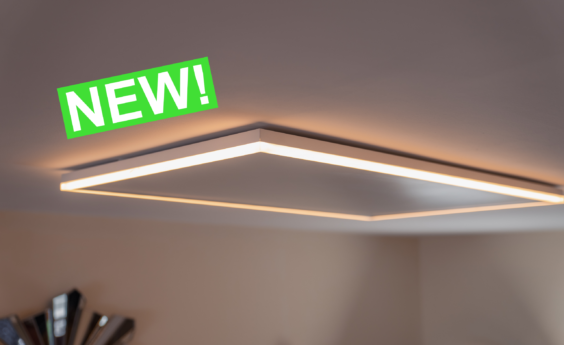
660 Watt Lumina LED Ceiling Panel
£243.95
800 Watt Lumina LED Ceiling Panel
£300.25
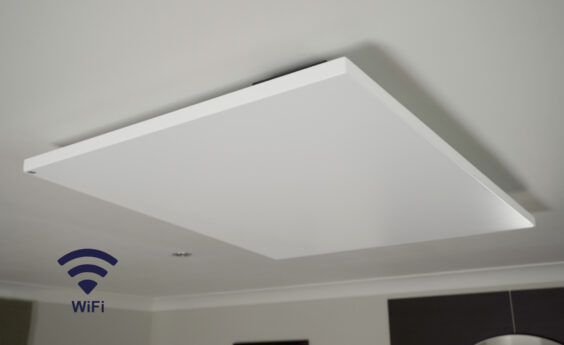
700 Watt Platinum Ceiling-Mounted Infrared Smart Heater
£273.59
Large Industrial Workshop
Suspended bar infrared heaters or radiant tube systems are best. They deliver direct heat across wide areas, unaffected by drafts or high ceilings.
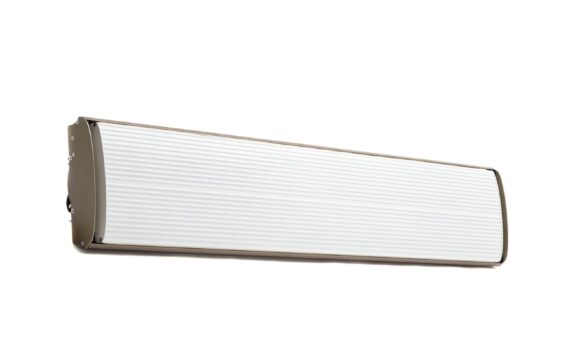
1000 Watt White Alpha Bar Heater
£435.00
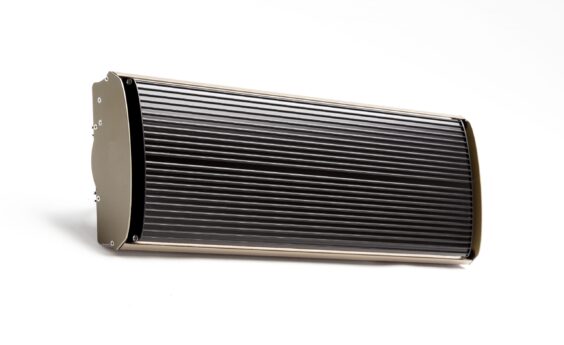
1000 Watt Black Alpha Bar Heater
£399.00
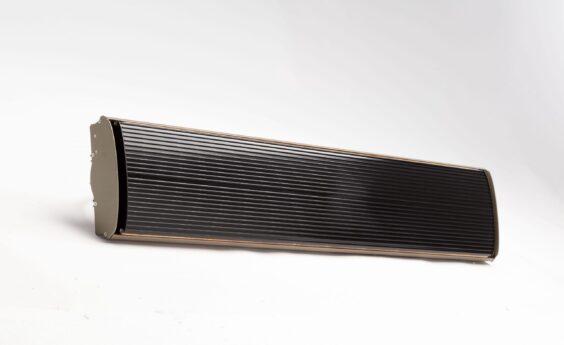
1800 Watt Black Alpha Bar Heater
£499.00
1800 Watt White Alpha Bar Heater
£529.00
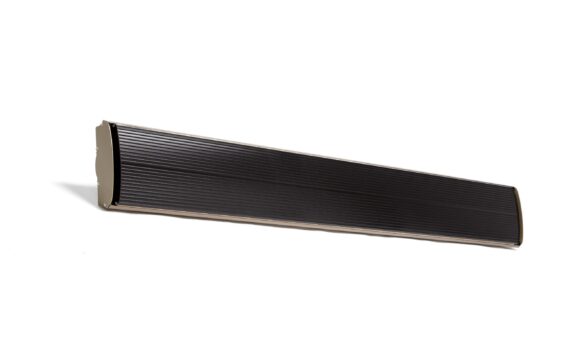
2400 Watt Black Alpha Bar Heater
£749.00
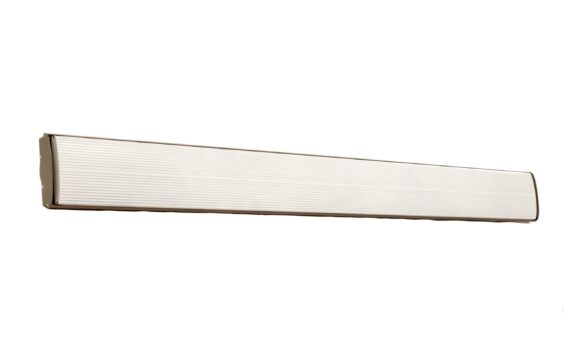
2400 Watt White Alpha Bar Heater
£779.00
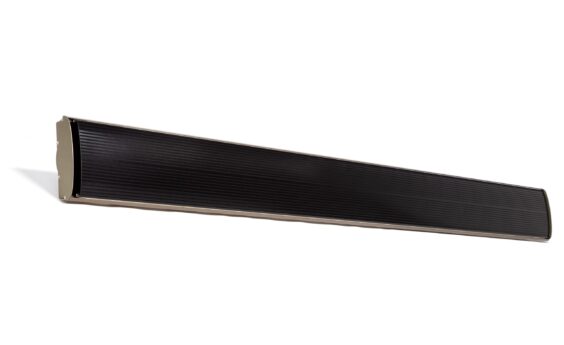
3200 Watt Black Alpha Bar Heater
£999.00
4000 Watt Black Alpha Bar Heater
£1,399.00
Portable and Temporary Workshops
Opt for propane or diesel heaters for quick, mobile warmth, but use them safely and always ensure ventilation.
Environmental Impact and Long-Term Savings
Infrared heating has one of the lowest environmental footprints among workshop heating options. It uses electricity efficiently, produces no local emissions, and can run on renewable power sources if your home or business uses green energy.
By focusing heat where it’s needed, it also prevents wasted energy. This not only makes it cheaper long-term, but also more sustainable.
Summary and Recommendation
The cheapest way to heat a workshop depends on your size, usage, and insulation.
- For occasional or temporary use, propane or fan heaters can work.
- For large, open workshops, diesel systems can make sense.
- But for everyday efficiency, comfort, and control, infrared heating stands out.
It’s clean, safe, and remarkably cheap to run. Especially in the long term. Whether you’re a DIY enthusiast or a small business owner, upgrading to infrared could be the smartest investment you make this winter.

Written by Ben
The Right Heater For You
Find the best heater for you with our infrared heating calculators.
Find now